
Careful crown thinning performed by skilled tree surgeons
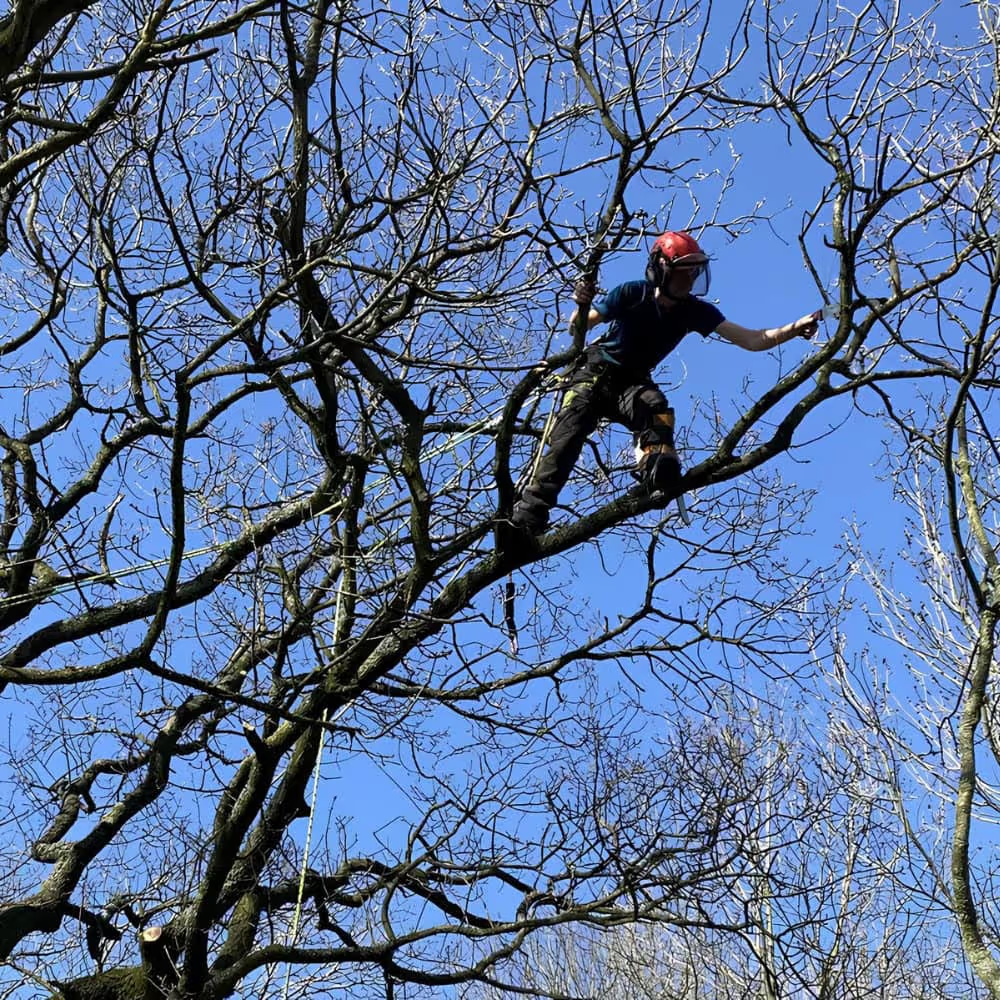
Crown thinning is a selective pruning technique used to reduce the density of a tree’s canopy without altering its overall size or natural shape. By removing selected internal branches, crown thinning improves light penetration, airflow and wind movement through the crown while retaining the tree’s original form. Our tree surgeons carry out crown thinning using controlled pruning methods that prioritise tree health, balance and long-term stability.
Understanding what crown thinning involves and how it differs from reduction
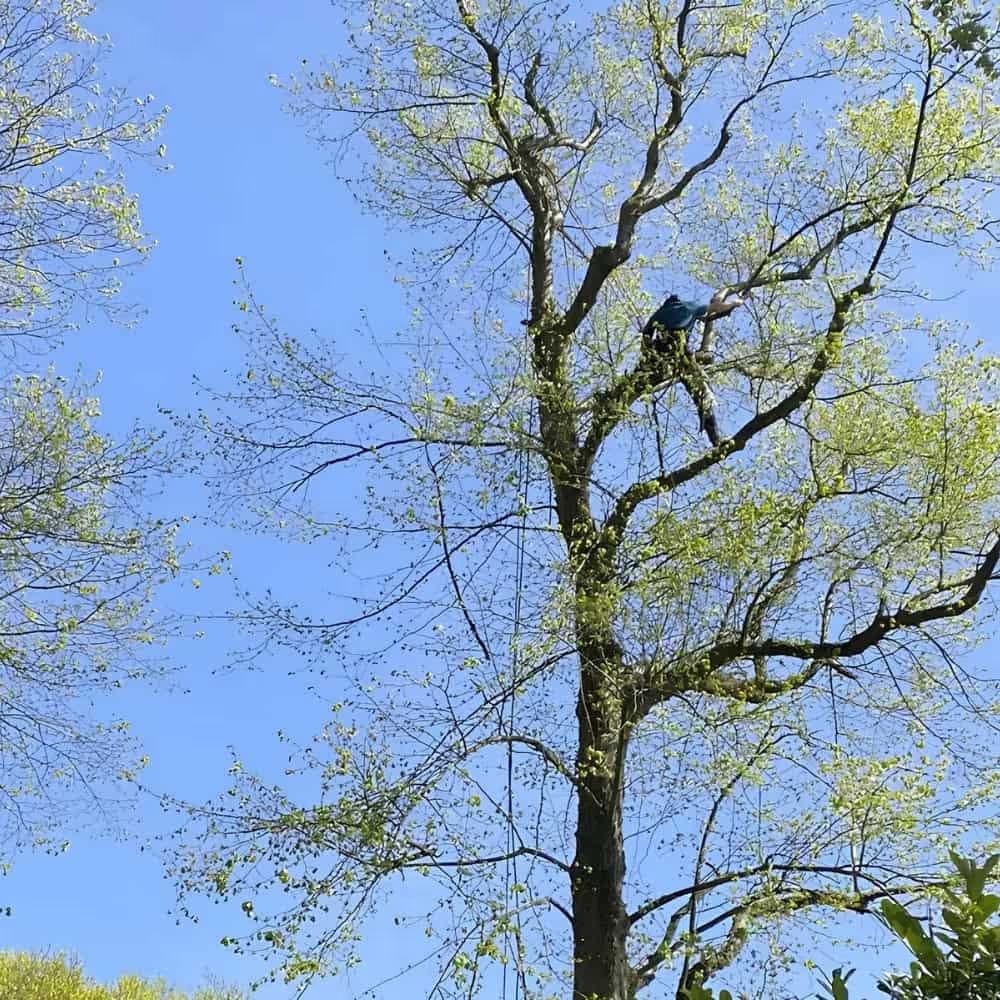
Crown thinning is a form of selective pruning that focuses on removing a proportion of smaller branches from within the crown of a tree. Unlike crown reduction, crown thinning does not significantly reduce the height or spread of the tree. Instead, it creates a more even distribution of branches and foliage throughout the canopy.
Tree crown thinning is commonly used on broadleaf species where dense growth has developed over time. When carried out correctly, crown thinning improves the internal structure of the crown while maintaining the tree’s natural outline and visual character.
"Informative consultation and very pleased with the work done on our trees (some removal and some shaping). Left the site tidy. Great communication in advance and on the day."
When reducing crown density is more appropriate than reducing size
Crown thinning is recommended where a tree has become overly dense or where improved light, airflow or wind movement is required. It is often used as part of ongoing tree maintenace rather than a one-off intervention. You may need crown thinning if:
The crown has become congested with crossing or rubbing branches
Excessive shading is affecting gardens, lawns or buildings
The tree catches significant wind and moves heavily in storms
Airflow through the canopy is restricted
A lighter, more open appearance is desired without reducing size
Improving light, airflow and structural resilience
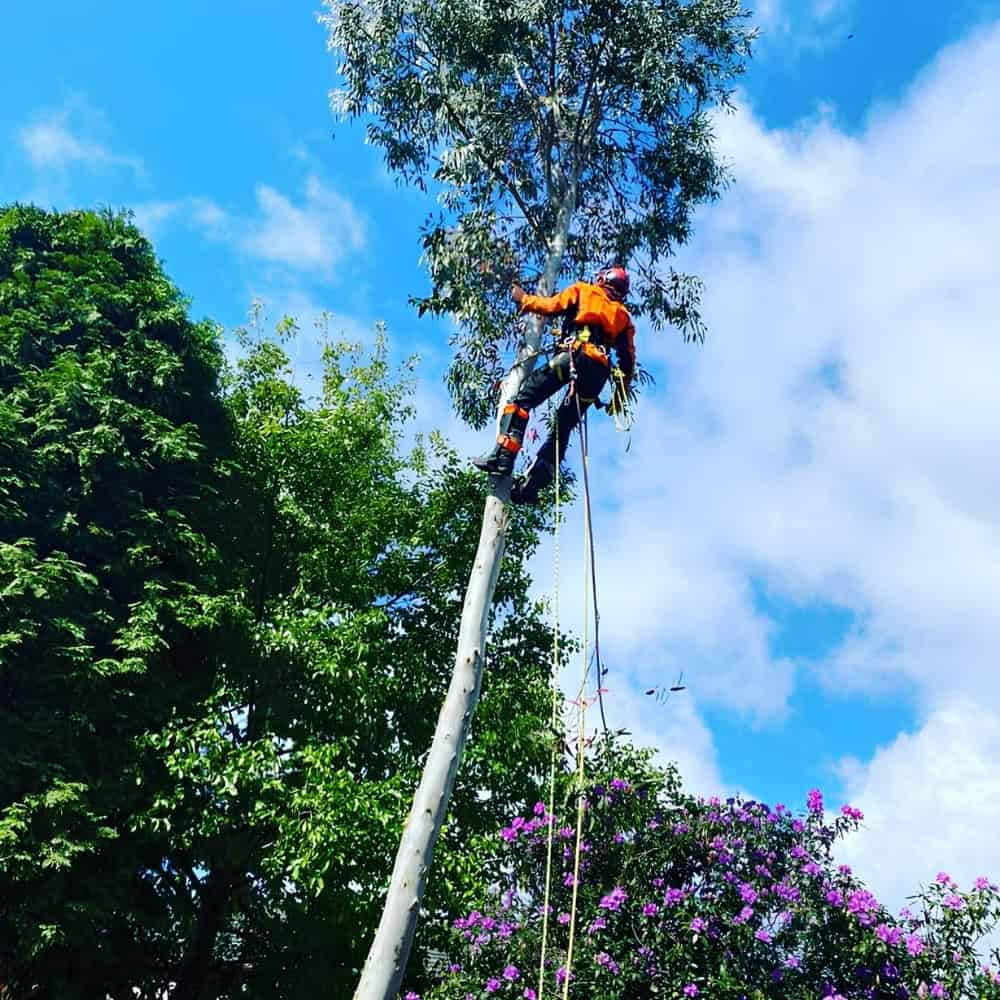
Crown thinning provides a comprehensive range of practical and functional benefits when carried out appropriately and by qualified professionals in accordance with established arboricultural standards.
Improved light penetration
Removing internal branches allows more natural light to pass through the canopy onto the ground below.
Reduced wind resistance
A less dense crown allows wind to move through the tree more easily, reducing the sail effect.
Healthier crown structure
Removing congested growth reduces friction between branches and potential decay points.
Retention of natural form
Crown thinning preserves the tree’s overall shape while subtly improving function and appearance.
Selective pruning based on structure, species and long-term health
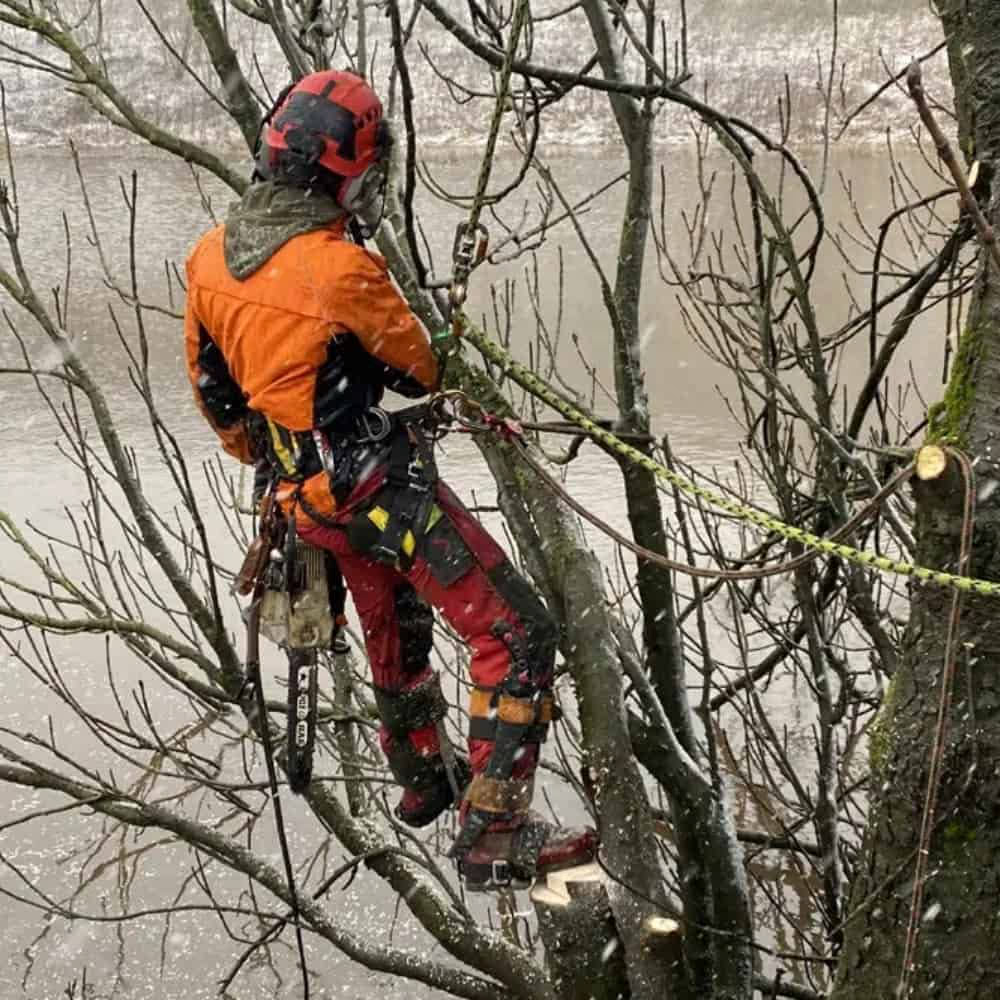
Before carrying out crown thinning, our tree surgeons assess the tree’s species, age, condition and natural growth habit. We consider how the tree has developed over time and identify areas of congestion or imbalance within the crown.
Our approach focuses on removing only what is necessary to achieve the desired outcome. Care is taken to avoid over-thinning, which can stress the tree or lead to excessive regrowth. Where appropriate, crown thinning may be combined with other pruning techniques to achieve balanced, long-term results.
Controlled pruning that opens the crown without altering its form
Crown thinning is carried out using a methodical pruning process to improve crown structure without changing the tree’s overall size or outline. Each stage is carefully managed to retain balance, control stress on the tree and protect surrounding areas.
Identifying congested and competing growth
Work begins with identifying areas within the crown where branches are congested, crossing or competing for space. These areas are assessed to determine which branches can be removed without compromising the tree’s natural structure.
Selective removal of internal branches
Selected internal branches are removed to create a more even distribution of foliage throughout the crown. Cuts are made carefully to minimise wounding and support healthy growth patterns.
Maintaining balance and crown shape
Throughout the process, the overall balance and appearance of the tree are reviewed. Thinning is distributed evenly across the crown to avoid creating gaps or uneven loading.
Final inspection and minor adjustments
Once thinning is complete, the crown is inspected to ensure airflow, light penetration and structure have improved while the tree’s natural form has been retained. Minor adjustments are made if required before work concludes.
Professional tree surgery carried out with safety, planning and compliance at the core
Tree surgery is high-risk work that requires proper training, planning and control. At Roots and Shoots, safety and compliance underpin every job we carry out, ensuring risks to people, property and the wider environment are properly managed in line with recognised industry standards.
Risk assessment & planning
Every job begins with an assessment of the tree, site conditions, access, nearby structures and public safety. This allows the safest working method to be planned before any work starts.
Training, competence & first aid
All tree work is carried out by trained, competent operatives holding relevant industry qualifications. Team members are trained in first aid, including trauma response, so they are prepared to deal with emergencies.
Equipment, PPE & safe systems
Professional-grade equipment is used and maintained for the work being undertaken. Appropriate personal protective equipment is worn at all times, and safe systems of work are followed for cutting, climbing and lowering operations.
Emergency & rescue planning
Rescue procedures are considered and planned in advance where working at height or in complex situations. This ensures a rapid and controlled response should an incident occur.
Compliance with industry guidance
All work is carried out in line with current health and safety legislation and recognised guidance from organisations such as the Health and Safety Executive and professional arboricultural bodies.
Professional-only tree work
Tree surgery is inherently hazardous and should not be attempted without the correct training and equipment. Working at height, using chainsaws and handling heavy timber all carry significant risks that require professional control.
"Jason is knowledgeable and reliable. Over several years, he and his team have done some difficult work with great skill. I recommend Roots and Shoots."
Tree surgery carried out by qualified, thoughtful tree surgeons
Roots and Shoots is a family-owned and run tree surgery business based in Charlesworth, on the outskirts of Manchester. Our reputation has been built through recommendations and repeat work by providing reliable, professional tree care carried out to recognised industry standards. From routine domestic work to complex commercial projects, we apply the same level of planning, training and care to every job, ensuring trees are managed safely, sites are left tidy, and clients receive clear, informed advice.
Family-owned, local & trusted
Roots and Shoots is a family-owned and run tree surgery business based in Charlesworth, on the outskirts of Manchester. We have built a trusted reputation through recommendations and repeat work by consistently delivering professional tree care and aiming for complete customer satisfaction on every job.
Qualified, skilled tree surgeons
Our professional tree surgeons carry out both domestic and commercial tree surgery in a skilled and courteous manner. No job is too big or too small — from large mature trees to small garden work — and every project is completed to a high standard using the correct tools and equipment, with all areas left clean and tidy.
Industry-recognised training & development
All tree surgeons are trained through recognised providers, including Myerscough College, with qualifications accredited by bodies such as NPTC and LANTRA. Training covers chainsaw maintenance, small tree felling, climbing, aerial rescue and advanced tree work, ensuring competence at every stage of development.
Safety-first, professional standards
Safety comes first on every job. Our team undertakes trauma first aid training and works to established safe systems of work, with careful planning and risk awareness built into all operations. This ensures the safety of our team, clients, the public and surrounding property at all times.
Professionally approved & fully insured
Roots and Shoots hold some of the highest professional accreditations available to tree surgeons. This recognises our competence, working practices and safety systems. We are fully insured, providing reassurance for homeowners, businesses and organisations alike.
Informed advice, surveys & long-term planning
Our experience extends beyond tree surgery into professional tree inspection and surveying, with qualifications accredited by LANTRA. We provide clear assessments, reports, site plans and prioritised recommendations, helping clients such as schools, estates and commercial sites manage trees safely and plan work with confidence.
Speak to a trusted professional tree surgeon about your trees
Whether you need advice, ongoing maintenance or professional tree work, we offer a free, no-obligation site visit to assess your trees and discuss the best course of action.